How loud is 70 decibels?
70 dB is about as loud as a vacuum cleaner or a washing machine.
70 dB is loud enough to annoy but not to damage hearing. The US Environmental Protection Agency names 70 dB averaged over 24 hours as the level that protects against hearing loss over a lifetime.
- Sounds like
- A vacuum cleaner or a washing machine
- Loudness
- Loud
- Safe per day (NIOSH)
- No limit
- OSHA workplace limit
- Below the limit
- Sound pressure
- 63.2 mPa
- Sound intensity
- 10 µW/m²
70 dB on the decibel scale
Tap another sound to compare- Safe · under 65 dB
- Caution · 65–85 dB
- Risk · over 85 dB
What 70 dB sounds like
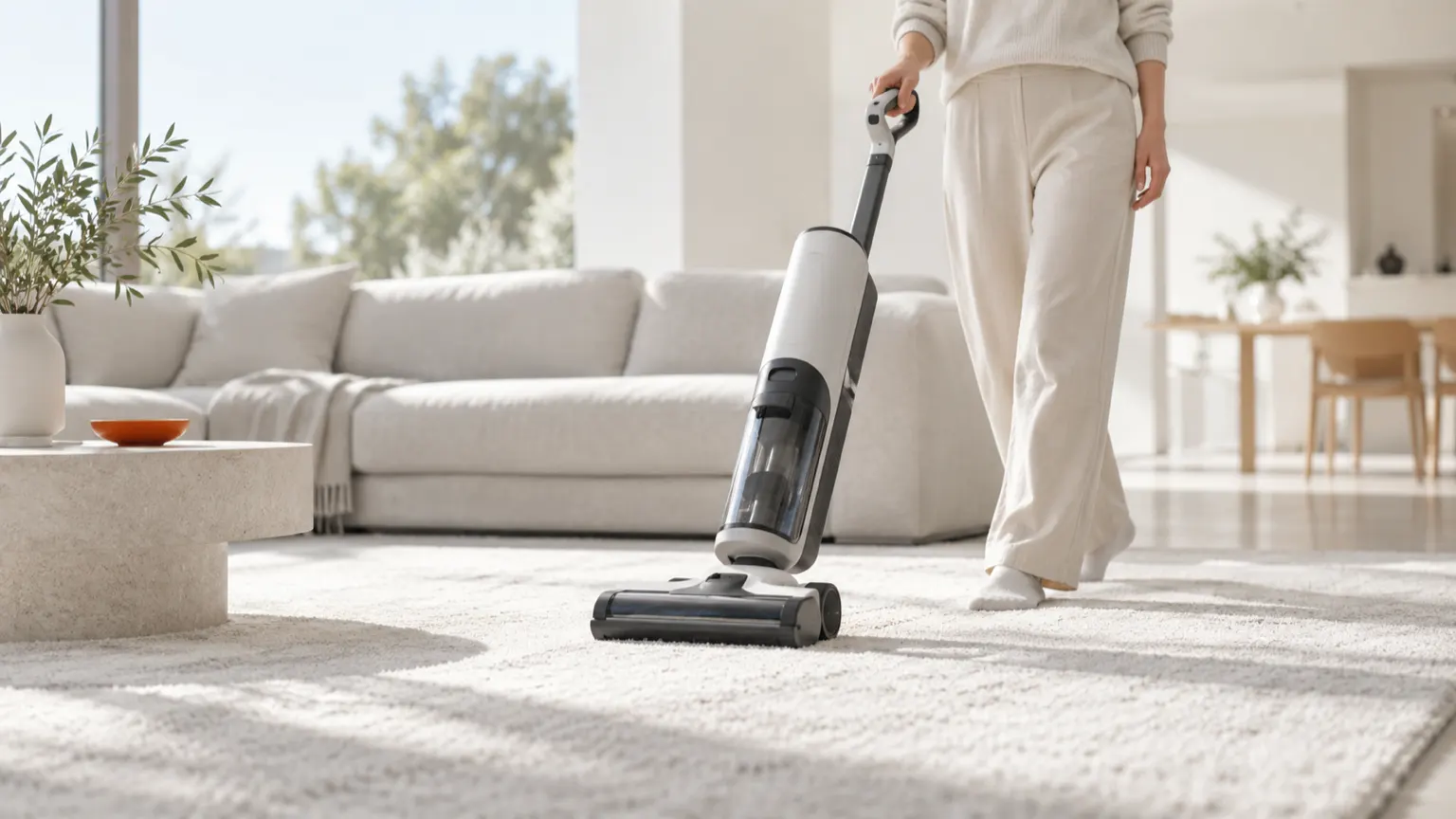
- A vacuum cleaner
- A washing machine on spin
- Freeway traffic at 15 m
- A busy restaurant
Vacuuming, running a washing machine, standing next to a busy road. You need to raise your voice a little to be understood.
Published sound levels near 70 dB
| Sound | Published level | Source |
|---|---|---|
| Vacuum cleaner, radio or TV audio | 70 dB | Purdue University |
| Freeway traffic | 70 dB | Center for Hearing and Communication |
| Normal conversation | 60–70 dB | NIDCD (NIH) |
| Coffee grinder | 70–80 dB | Center for Hearing and Communication |
| Dishwasher | 55–70 dB | Center for Hearing and Communication |
| Alarm clock | 65–80 dB | Center for Hearing and Communication |
| Washing machine | 50–75 dB | Center for Hearing and Communication |
Figures are as each source gives them; they differ with distance and measuring method.
Is 70 dB safe?
70 dB does not damage hearing on its own, even over a full day, but long stretches of it are tiring and can raise stress and make it harder to concentrate. Damage starts from about 85 dB.
70 dB does not harm hearing. NIDCD, part of the US National Institutes of Health, says sounds at or below 70 dBA are unlikely to cause hearing loss even after long exposure, and 70 dB sits right on that line. The NIOSH limit of 85 dBA for 8 hours is 15 dB higher, which is 32 times the sound energy of 70 dB.
70 dB compared with other sounds
| Compared with | Difference | Sounds | Sound energy |
|---|---|---|---|
| Whisper (30 dB) | +40 dB | 16× as loud | 10,000× more |
| Conversation (60 dB) | +10 dB | 2× as loud | 10× more |
| Alarm clock (80 dB) | −10 dB | 2× quieter | 10× less |
| Heavy traffic (85 dB) | −15 dB | 2.8× quieter | 32× less |
| Concert (110 dB) | −40 dB | 16× quieter | 10,000× less |
Rule of thumb: +10 dB sounds about twice as loud and carries ten times the energy. See what is a decibel.
How 70 dB drops with distance
Outdoors, sound from a small source falls about 6 dB per doubling of distance (OSHA Technical Manual). For 70 dB at 1 m:
| Distance | 1 m (3 ft) | 2 m (7 ft) | 4 m (13 ft) | 8 m (26 ft) | 16 m (52 ft) | 32 m (105 ft) |
|---|---|---|---|---|---|---|
| Level | 70 dB | 64 dB | 58 dB | 52 dB | 46 dB | 40 dB |
Indoors, reflections make the drop smaller.
How to check if a sound is 70 dB
Open the free online decibel meter on this site and allow the microphone. Hold your phone or laptop where your ears would be, wait a few seconds, and read the average rather than the momentary number. For a reliable, calibrated reading you can save or show to someone else, use the Decibel Meter app on iPhone.